
Expert Laser Resurfacing Near San Francisco
If you are researching laser skin resurfacing options near San Francisco, you are probably trying to answer a few practical questions: What does laser skin resurfacing treatment actually treat? How much downtime should I plan for? Is it right for acne scars, sun damage, fine lines, pigmentation, or uneven skin texture? And how do you choose a provider who will make thoughtful recommendations rather than simply point you toward a device?
At Marin Medical Aesthetics in San Anselmo, patients from Marin County and the greater San Francisco Bay Area often ask about laser technology because they want visible skin rejuvenation without jumping straight to plastic surgery, a facelift, or a one-size-fits-all treatment. The best resurfacing treatment is not always the most aggressive option. It is the treatment plan that matches your skin type, skin tone, skin concerns, lifestyle, recovery time, and aesthetic goals.
What Is Laser Skin Resurfacing?
Laser skin resurfacing is a non-surgical skin rejuvenation treatment that uses focused laser energy to improve the appearance of the skin surface. Depending on the technology and settings used, a laser treatment may target the outer layer of damaged skin, stimulate new collagen, or create controlled micro-injuries that encourage the skin healing process.
The goal is not to create an artificial look. For many patients, the goal is smoother texture, more even pigmentation, less visible sun damage, softer fine lines, and healthier-looking new skin over time. Results vary by person, and your provider should explain what is realistic for your skin conditions before treatment begins.
The American Academy of Dermatology notes that sun damage can appear as freckles, age spots, wrinkles, and other visible changes over time, which is one reason many Bay Area patients seek resurfacing and light-based treatments after years of sun exposure.
What Laser Skin Resurfacing May Treat
Laser skin resurfacing may be discussed for several common skin concerns. The best treatment options depend on the depth of the concern, the treatment area, the patient’s medical history, and how much downtime is appropriate.
Sun Damage, Age Spots, and Hyperpigmentation
Sun exposure is one of the biggest contributors to uneven skin tone, brown spots, age spots, and hyperpigmentation. Some pigment lives closer to the skin surface, while other discoloration may sit deeper in the layers of the skin. A personalized consultation helps determine whether laser resurfacing, IPL, BBL, chemical peels, skincare, or a combination plan is the better fit.
For patients with pigmentation concerns, the conversation should include skin tone, tendency to pigment, sunscreen habits, and the possibility of maintenance treatments. Treating damaged skin is only one part of the plan; protecting your results with daily skincare and sun protection is just as important.
Fine Lines, Signs Of Aging, and Collagen Support
As collagen production slows with age, fine lines, crepey texture, and early signs of aging can become more visible. Resurfacing can help improve the look of skin texture by encouraging new collagen in the targeted area. This process is gradual. The skin needs time to respond, remodel, and build a smoother appearance.
Patients who want dramatic lifting may be better served by other treatment options or a surgical consultation, but patients seeking refinement, glow, and texture improvement may be good candidates for non-surgical resurfacing.
Acne Scars, Texture, and Uneven Skin Surface
Acne scars can be frustrating because they may involve changes in collagen, texture, and the physical contour of the skin surface. Laser skin resurfacing may help soften the appearance of certain acne scars, especially when it is part of a longer-term skin rejuvenation strategy.
Depending on the scar pattern, your provider may compare resurfacing with microneedling, RF microneedling, skincare, or other treatment sessions. The best results often come from matching the procedure to the type of scar rather than assuming one device solves every concern.
Ablative versus Non-Ablative Laser Treatment
One of the most important distinctions in laser resurfacing is whether the treatment is ablative or non-ablative.
An ablative laser removes or vaporizes portions of the outer layer of skin. This can be appropriate for deeper resurfacing goals, but it usually involves a more involved healing process and more recovery time. Ablative approaches may be considered for deeper lines, more significant texture changes, or advanced sun damage, depending on candidacy.
A non-ablative laser works more below the surface without removing as much of the outer layer. These treatments may involve less downtime, but they may also require a series of treatment sessions and more gradual improvement.
Some patients are familiar with brand names such as Fraxel, but the device name matters less than the provider’s judgment. Settings, depth, timing, skin type, skin tone, and treatment plan all influence safety and outcome.
Other laser resurfacing options include Sciton technologies that allow us to tailor treatment intensity across a full spectrum of skin goals. Sciton’s TRL, or tunable resurfacing laser, can be adjusted for lighter NanoLaserPeel or MicroLaserPeel treatments when the goal is a more controlled surface refresh, or deeper resurfacing when appropriate for more advanced texture, sun damage, or aging concerns.
HALO is different because it is a hybrid fractional laser, delivering both non-ablative and ablative wavelengths to the same microscopic treatment zones, which allows it to address surface-level concerns and deeper dermal remodeling in one treatment approach. This range matters because not every patient needs the same depth, downtime, or level of correction; the best plan depends on your skin, goals, and how much recovery time you can realistically accommodate.
Laser Resurfacing, IPL, BBL, and Chemical Peels: How They Differ
Patients often compare laser resurfacing with IPL, BBL, and chemical peels because all of these can support skin rejuvenation.
Laser Resurfacing
Laser resurfacing is often selected when texture, acne scars, fine lines, or more visible resurfacing goals are central to the plan. It can be adjusted in intensity depending on the treatment area and desired recovery time.
IPL and BBL
IPL and BBL use light energy rather than resurfacing in the same way as many laser devices. They may be discussed for pigmentation, sun spots, redness, broken blood vessels, and overall skin clarity. BBL treatments can be especially useful when the goal is to address browns, reds, and signs of aging with minimal downtime when appropriate.
Chemical Peels
Chemical peels use a topical solution to exfoliate and refresh the skin. At Marin Medical Aesthetics, peel options range from no-peel peels and peels designed for sensitive skin to more advanced Ultra Peel treatments, depending on skin type, tolerance, and goals. Peels may be useful for pigmentation, uneven texture, acne-prone skin, or dullness, and some patients benefit from them as part of a maintenance plan rather than as a direct replacement for laser treatment.
Who May Be A Good Candidate?
A good candidate for laser skin resurfacing is someone with realistic expectations, treatable skin concerns, and a willingness to follow pre- and post-treatment instructions. You may be a candidate if you are concerned about fine lines, acne scars, hyperpigmentation, sun damage, age spots, rough texture, or early signs of aging.
Candidacy depends on several factors:
- Skin type and skin tone
- Recent sun exposure or tanning
- History of pigmentation changes
- Active breakouts, lesions, or skin conditions
- Medications and medical history
- Desired downtime and recovery time
- Treatment area and long-term skincare habits
This is why consultation matters. The safest and most effective plan is customized, not copied from someone else’s before-and-after photo.
What To Expect During Treatment
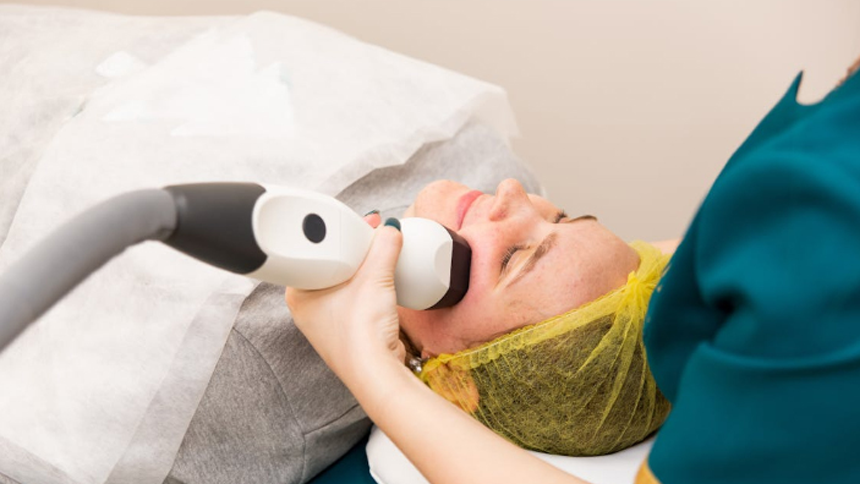
During treatment, the targeted area is cleansed and prepared. Sensation varies depending on the laser technology, settings, and treatment intensity. Some patients describe warmth, prickling, or a snapping sensation. Comfort measures may be discussed based on the procedure.
A conservative, physician-supervised approach is especially important because laser settings must be matched to the patient. More aggressive does not automatically mean better. The right approach balances improvement, safety, downtime, and long-term skin health.
What To Expect After Treatment
After laser resurfacing, the treated skin may look red, warm, swollen, dry, or flaky depending on treatment depth. Downtime and recovery time vary widely. A lighter treatment may involve minimal social downtime, while deeper resurfacing can require a more noticeable healing process.
Your provider should explain how to cleanse, moisturize, protect the skin, and avoid irritation while the skin heals. Sunscreen is essential, especially for patients treating pigmentation or sun damage. The American Academy of Dermatology offers patient education on cosmetic concerns such as dark marks and age spots, reinforcing the importance of matching treatment to the cause of discoloration.
Why Choose A Physician-Supervised Practice?
Laser treatment is highly technique-dependent. Settings, device selection, skin type, pre-treatment preparation, and aftercare can all influence side effects and best results. A physician-supervised practice can evaluate your concerns in the context of anatomy, health history, safety, and realistic expectations.
At Marin Medical Aesthetics, the emphasis is on education, natural-looking results, and personalized treatment plans. Your plan may include laser resurfacing, BBL, IPL, microneedling, skincare, or staged treatment sessions depending on what your skin actually needs.
Schedule A Laser Skin Resurfacing Consultation In The San Francisco Bay Area
If you are comparing laser skin resurfacing San Francisco providers, the best next step is a personalized consultation. Marin Medical Aesthetics serves patients from San Anselmo, Marin County, San Francisco, and the surrounding Bay Area with physician-supervised care and customized skin rejuvenation plans.
Schedule a consultation to discuss your skin concerns, treatment options, downtime preferences, and the most appropriate plan for your goals.
Related Resources: